
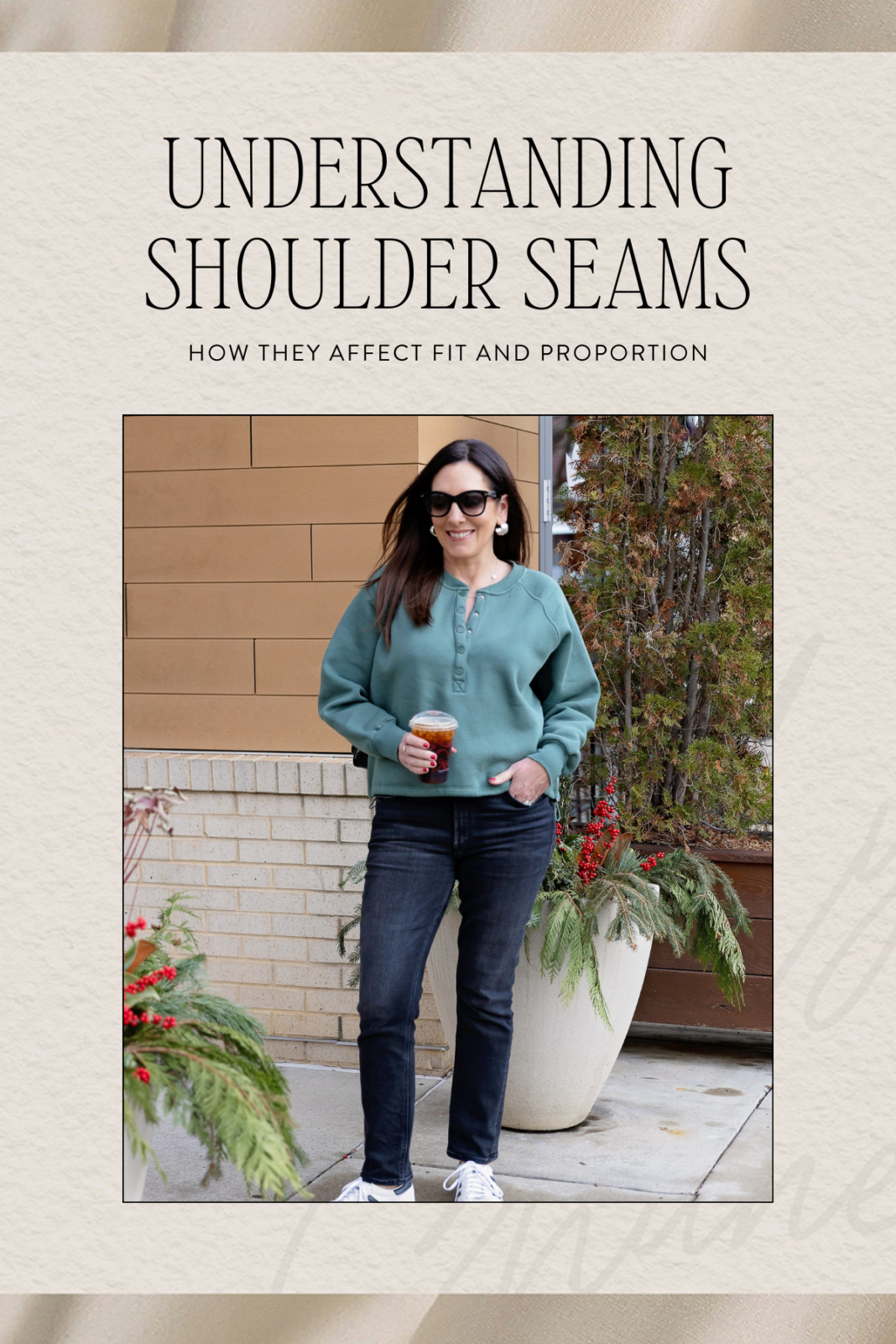
When trying on a top or sweater, you might notice that some pieces instantly look flattering while others feel slightly “off.” Often, the reason isn’t the fabric or even the size — it’s the shoulder seam placement. Shoulder seams play a key role in shaping how a garment fits and how your body proportions appear.
Understanding the different types of shoulder seams can make it easier to choose clothing that suits your body shape and personal style.
Why Shoulder Seams Are Important
The shoulder seam is the line where the sleeve connects to the body of a garment. This seam visually defines where the shoulder begins and ends, which directly affects the overall silhouette of the piece.
Even a small change in seam placement can alter how clothing looks. For example, shifting the seam slightly outward may make shoulders appear wider, while moving it inward can create a more tailored and structured effect. Because of this, shoulder seams influence:
- The apparent width of your shoulders
- How structured or relaxed a garment looks
- Whether an outfit appears polished or casual
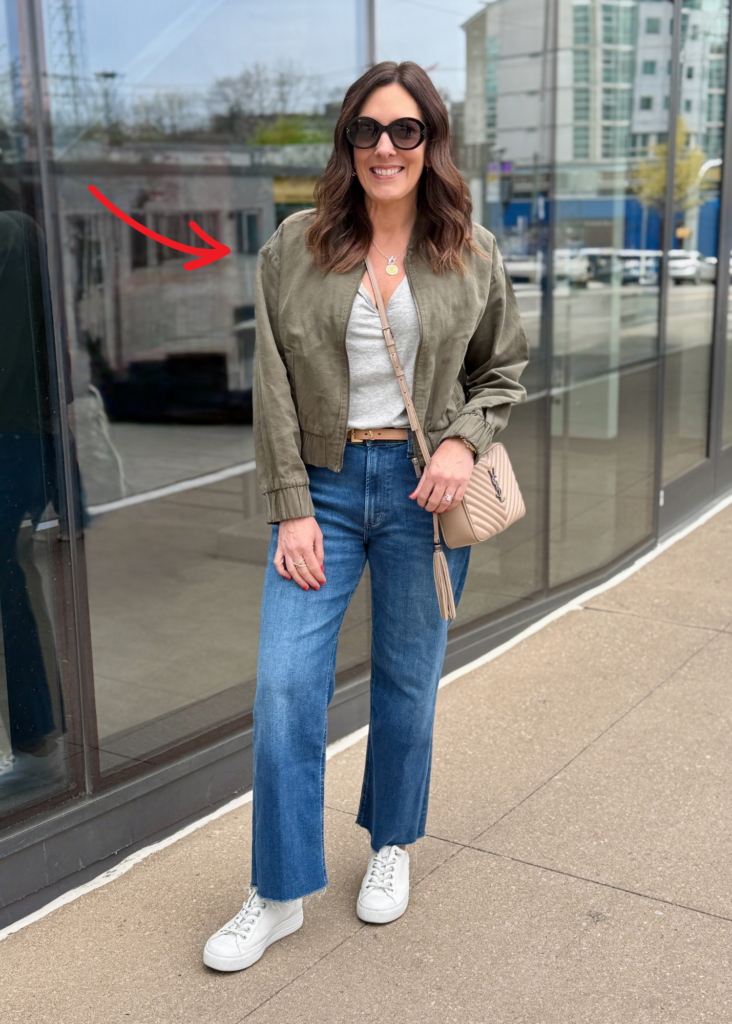
When a top feels awkward or unbalanced, it’s often because the shoulder seam does not align well with your natural shoulder line.
Common Types of Shoulder Seams
Different garments use different shoulder constructions, and each creates a distinct visual effect.
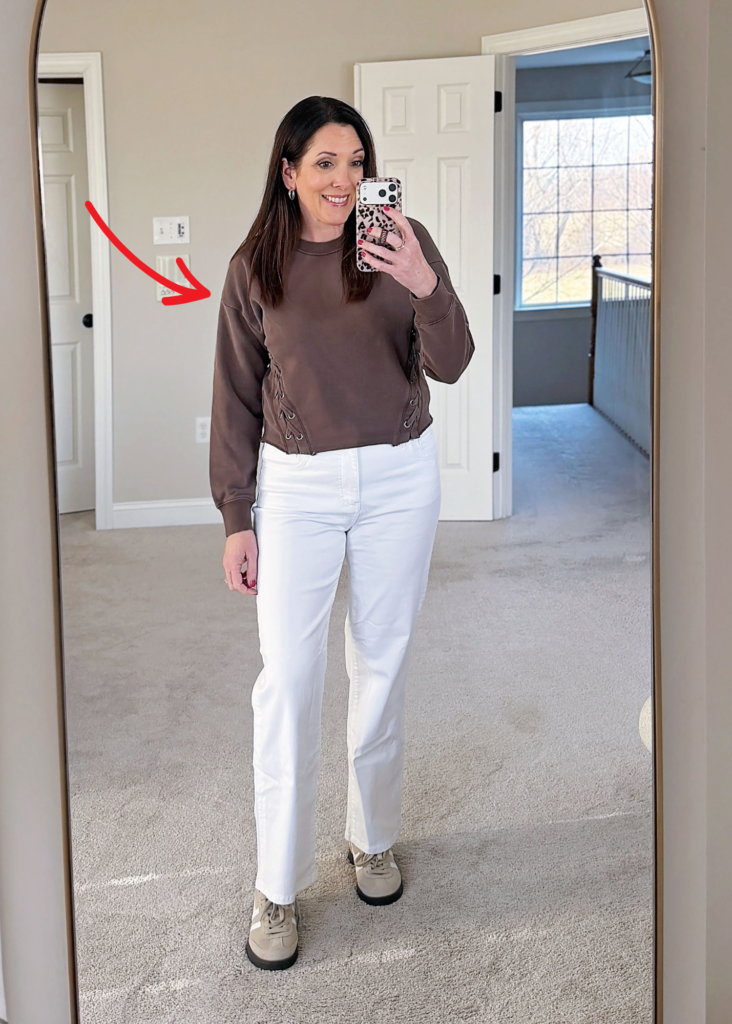
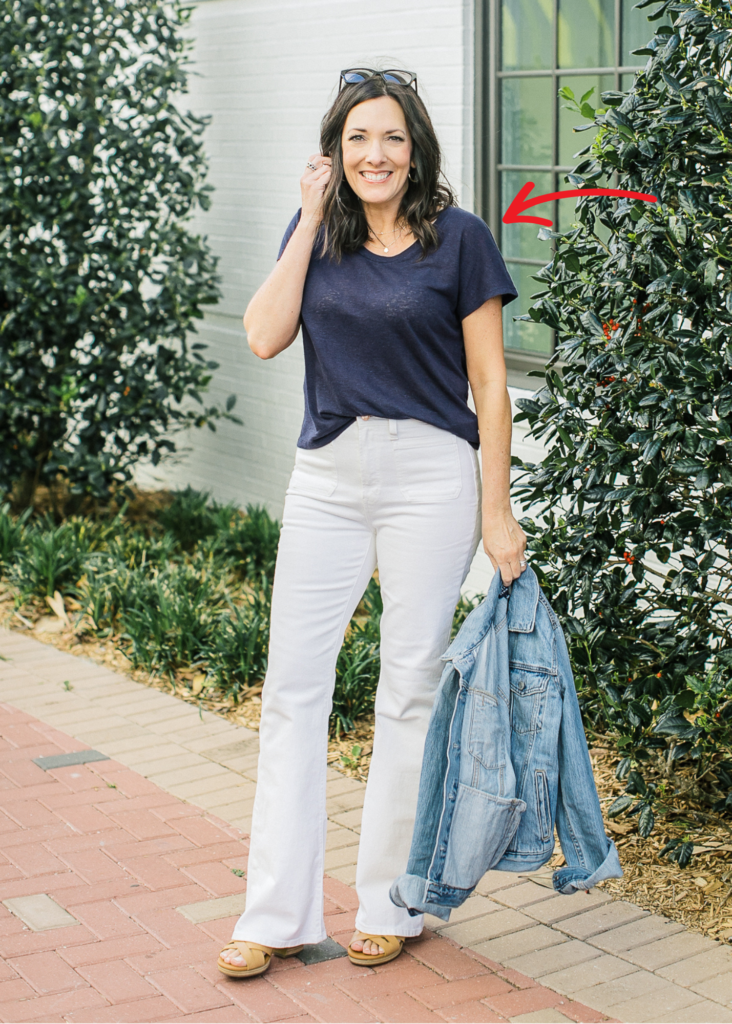
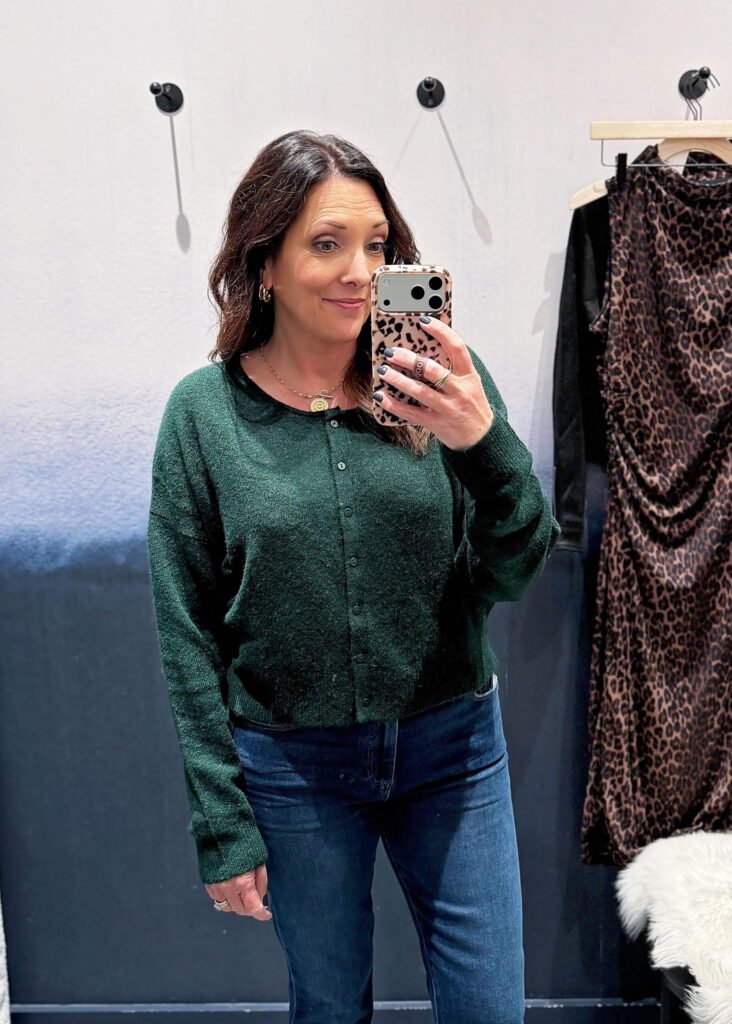
1. Drop Shoulder
A drop shoulder occurs when the seam sits below the natural shoulder, often extending onto the upper arm. This style is common in oversized sweaters and relaxed tops.
Visual effect:
- Creates a loose, slouchy silhouette
- Makes the upper body appear wider
- Removes some structure from the garment
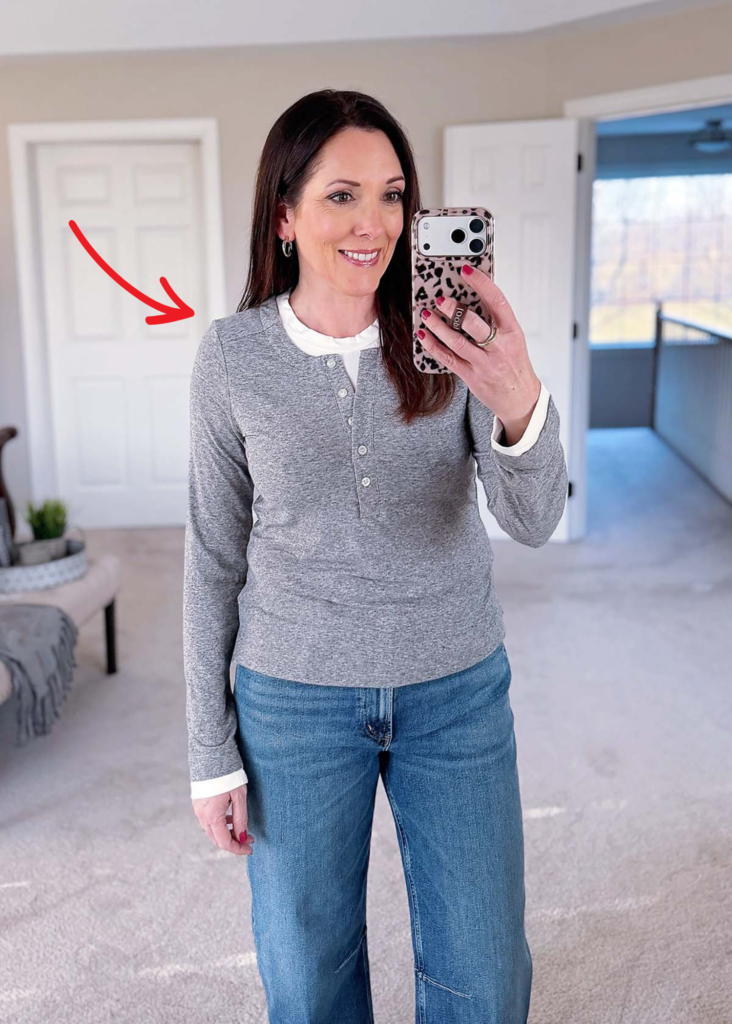
Drop shoulders can look stylish and relaxed, but they may add extra width to the upper body. For people with naturally broader shoulders or a fuller bust, this design may exaggerate that width.
However, individuals with narrower shoulders or wider hips may find drop shoulders helpful for creating balance in their overall proportions.
2. Set-In Shoulder
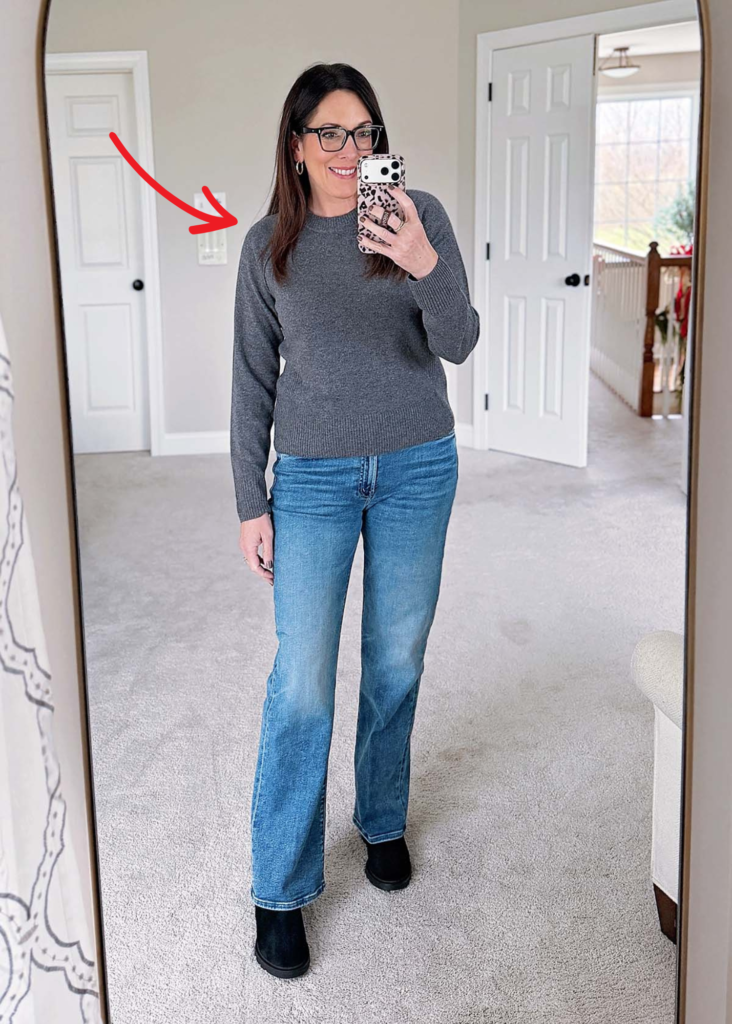
The set-in shoulder is the most traditional and widely used shoulder seam. The seam sits exactly at the edge of the natural shoulder.
Visual effect:
- Clearly defines the shoulder line
- Creates a structured, tailored appearance
- Keeps proportions balanced
Because it closely follows the natural body shape, this type of seam tends to be the easiest to wear and works well for many body types. It’s also commonly used in more polished garments such as blazers, sweaters, and fitted tops.
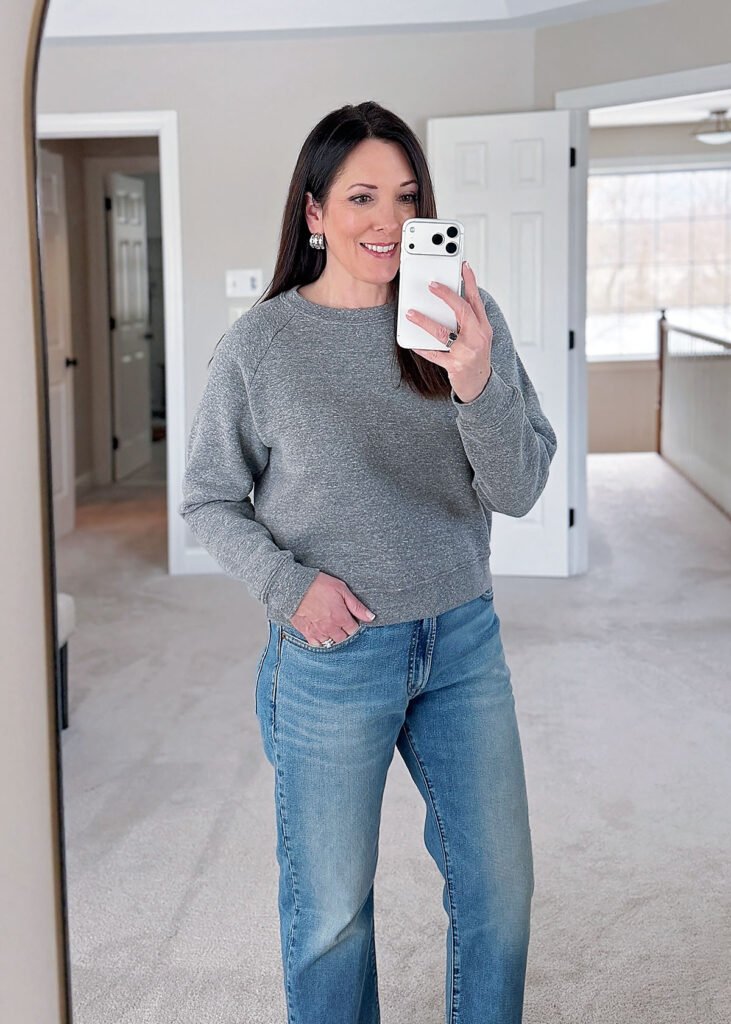
3. Raglan Sleeve
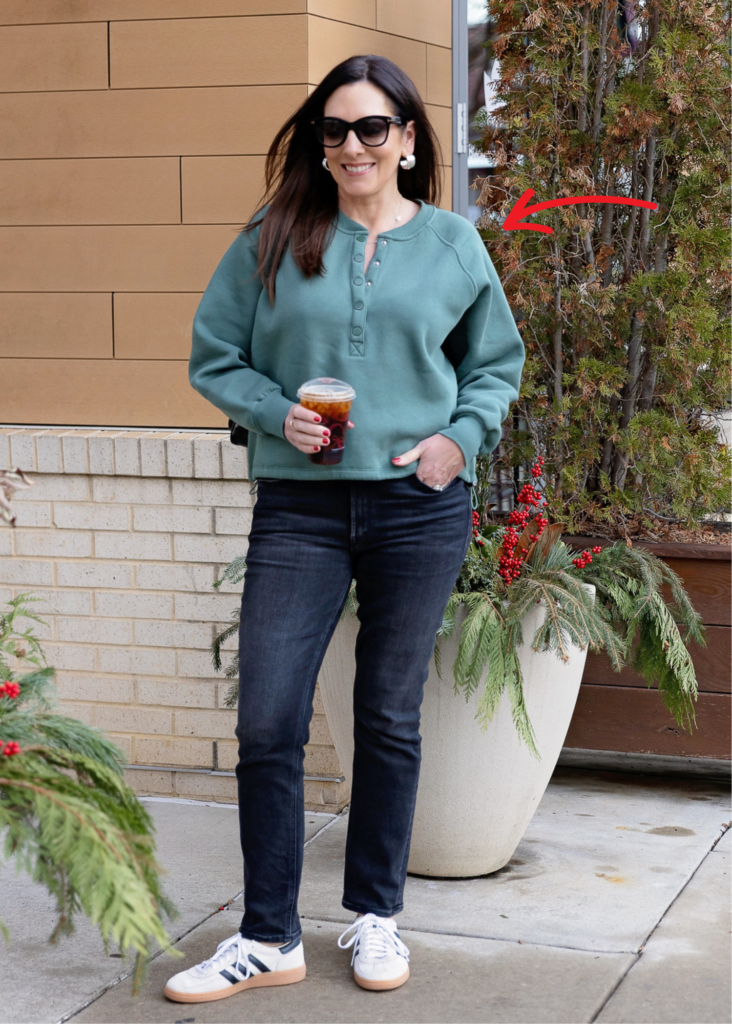
Raglan sleeves feature a seam that runs diagonally from the neckline to the underarm rather than across the shoulder.
This design is frequently seen in athletic clothing and casual sweaters.
Visual effect:
- Softens the shoulder line
- Draws attention toward the neckline
- Creates a relaxed, sporty look
Because the seam angles inward, raglan sleeves can visually reduce shoulder width. This can be flattering for people with broader or more square shoulders, though those with narrow shoulders may find it makes them appear even smaller.
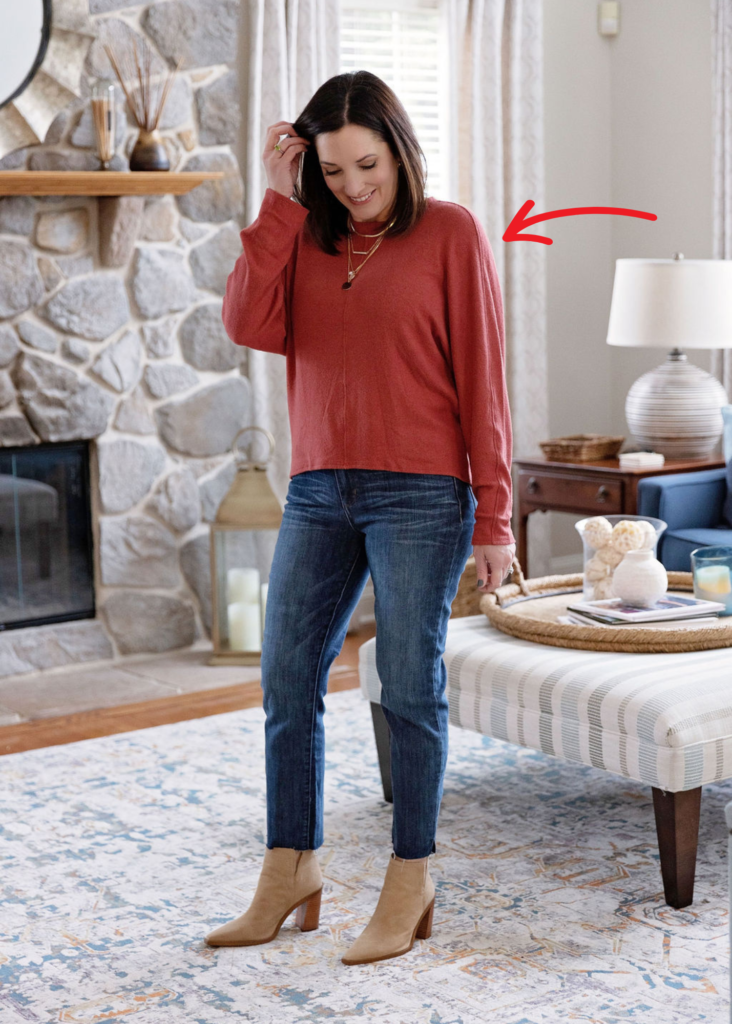
4. Dolman Sleeve
Dolman sleeves are constructed differently from the other styles. Instead of a separate sleeve piece, the sleeve is often cut as part of the main body of the garment, creating a draped shape around the shoulder and upper arm.
Visual effect:
- Soft, flowing silhouette
- Less defined shoulder structure
- Extra fabric through the upper body
This style can feel comfortable and elegant, especially in lightweight fabrics. However, because it introduces more volume around the shoulders and chest, it can sometimes make tops appear oversized or shapeless.
How Shoulder Seams Affect Your Outfit
Understanding shoulder seams helps explain why the same piece of clothing may look different on different people. The seam placement interacts with individual body proportions, including shoulder width, bust size, and overall silhouette.
For example:
- A drop shoulder may add width to the upper body.
- A set-in shoulder creates a clean, balanced shape.
- Raglan sleeves soften strong shoulders.
- Dolman sleeves emphasize a relaxed, draped look.
Because of these differences, choosing the right shoulder seam style can significantly improve how an outfit fits and feels.
Tips When Shopping for Tops
If a garment doesn’t seem to look right, examining the shoulder seam can provide helpful clues. Consider asking yourself:
- Does the seam align with my natural shoulder line?
- Is it extending past my shoulder bone?
- Does the design add structure or make the top look oversized?
Small details like seam placement can completely change the way a piece fits and flatters your body.
The Takeaway
Shoulder seams may seem like a small design detail, but they have a major impact on clothing fit, balance, and style. By recognizing the different shoulder seam types and understanding how they affect proportions, it becomes easier to choose garments that complement your body shape and personal aesthetic.