

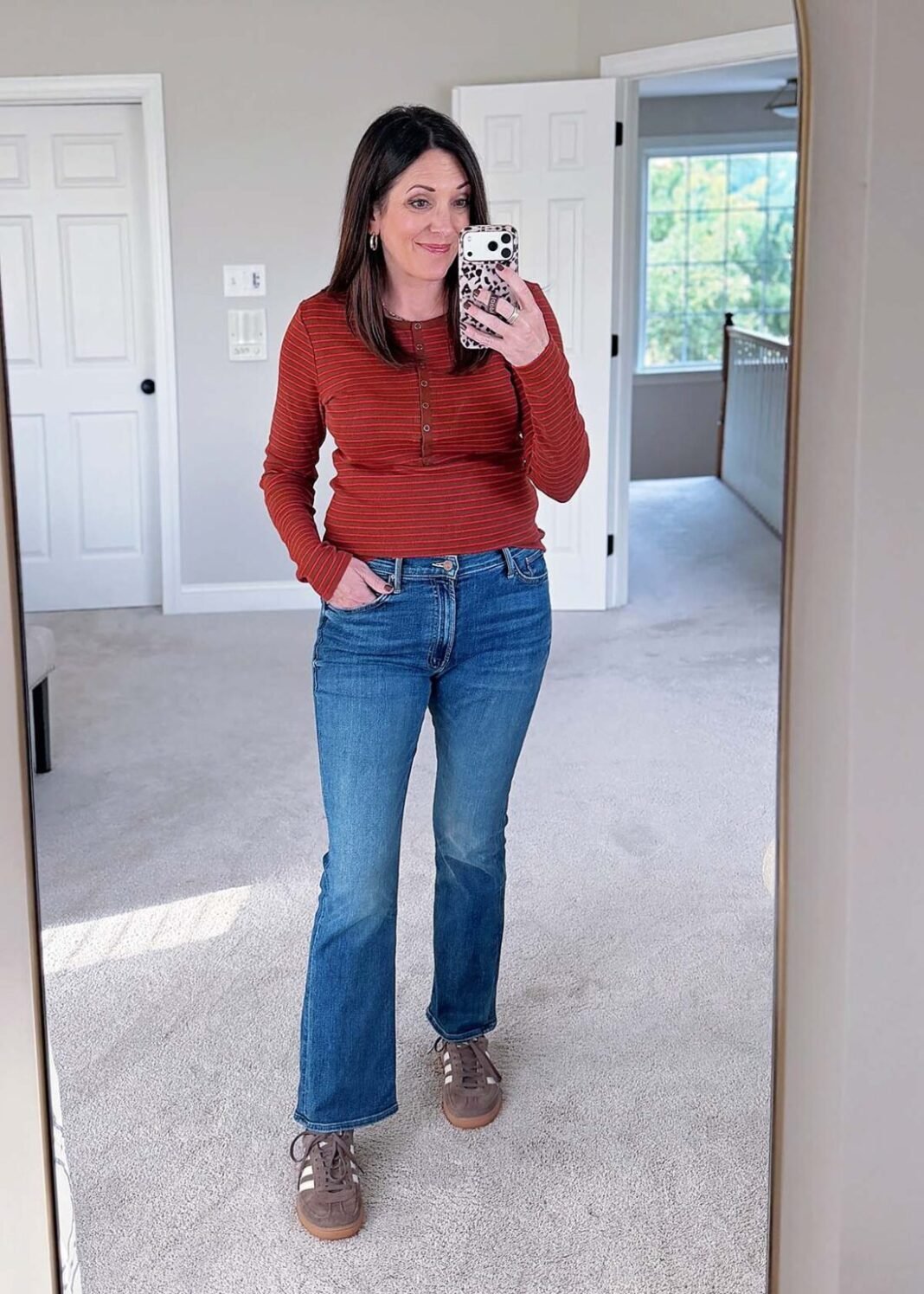
Menopause brings changes in your body, lifestyle, and even what feels comfortable to wear — and that’s totally normal. Rather than trying to “dress around” these changes, adapting your wardrobe with smart choices can make getting dressed feel easier, more flattering, and more enjoyable. A thoughtful approach to clothing during menopause can help you feel comfortable, confident, and stylish without sacrificing practicality.
Here’s a clear, helpful guide to styling your wardrobe through menopause — embracing comfort and fashion simultaneously.
Why Menopause Can Change How Clothes Feel
Menopause affects bodies in many ways, and these shifts can influence how clothing fits and feels:
- Changes in body shape — weight distribution often shifts around the midsection or hips
- Temperature fluctuations — unpredictable hot flashes and shifts in comfort
- Skin sensitivity — fabrics that used to feel fine may now irritate
- Fluctuating weight or bloating — making some fits feel tighter or less flattering
These realities make thoughtful fabric choice, fit, and silhouette especially important — not for fashion’s sake, but for how clothes feel on your body.
1. Choose Fabrics That Feel Good All Day
Fabric choices make a big difference in comfort:
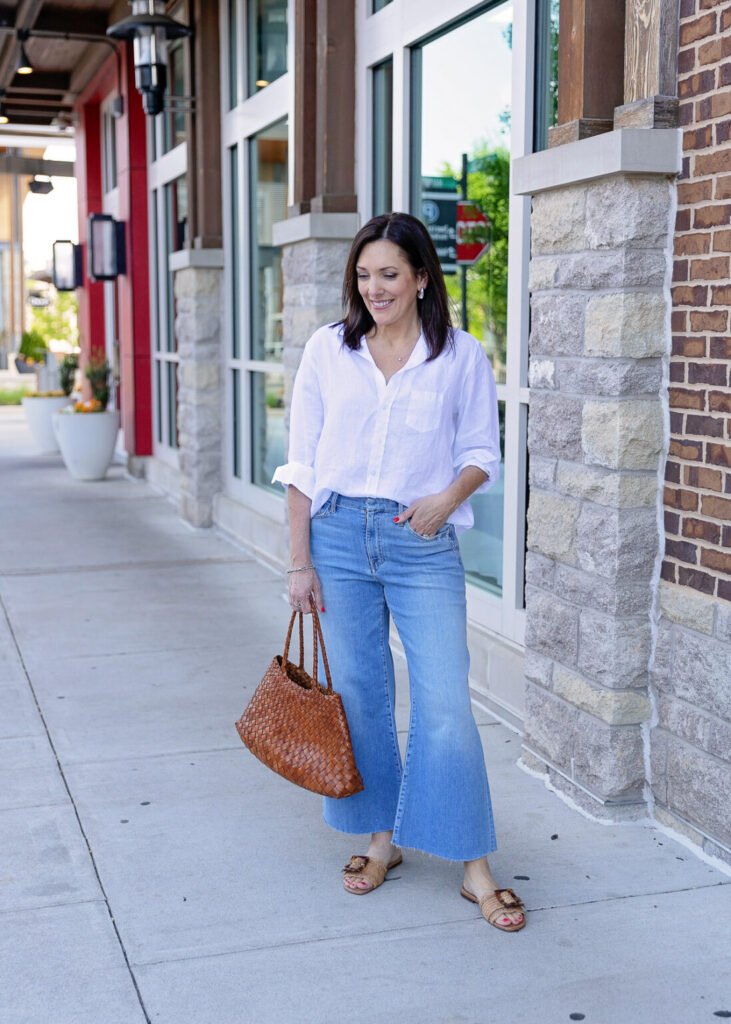
- Breathable fabrics like cotton, linen, and soft jersey help regulate temperature.
- Stretch blends (like modal or elastane mixes) move with your body without restricting.
- Smooth, soft knits feel gentle on sensitive skin.
Avoid fabrics that trap heat or feel scratchy — those can make hot flashes or post‑flash chills worse.
2. Embrace Layering for Temperature Swings
Temperature changes during menopause can be unpredictable — warm in the morning, chilly by evening, or vice versa.
Layering solves this:
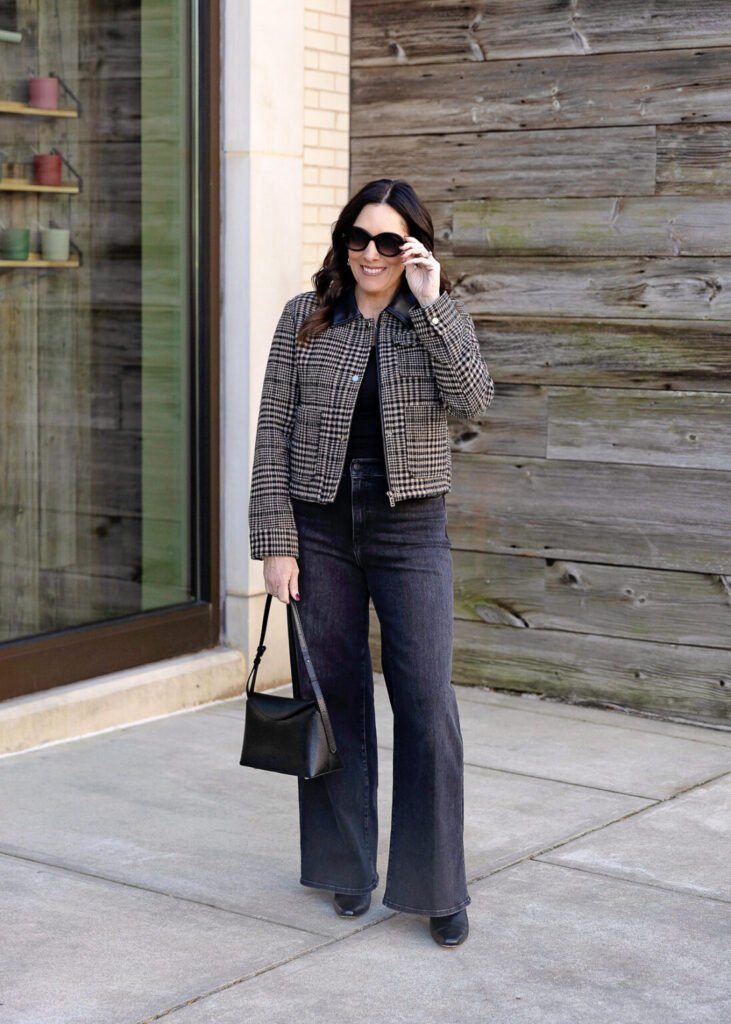
- Light layers like cardigans, overshirts, or linen jackets keep you covered but are easy to remove.
- Breathable tops under lightweight outerwear help you adjust as needed.
- Open‑front layers (instead of tight pullovers) allow airflow while still looking pulled‑together.
Layering isn’t just practical — it adds style depth to outfits.
3. Think About Fit Over Size
Many women find that their bodies feel different during menopause — even without weight change. For comfort and confidence:
- Prioritize fit over numeric size.
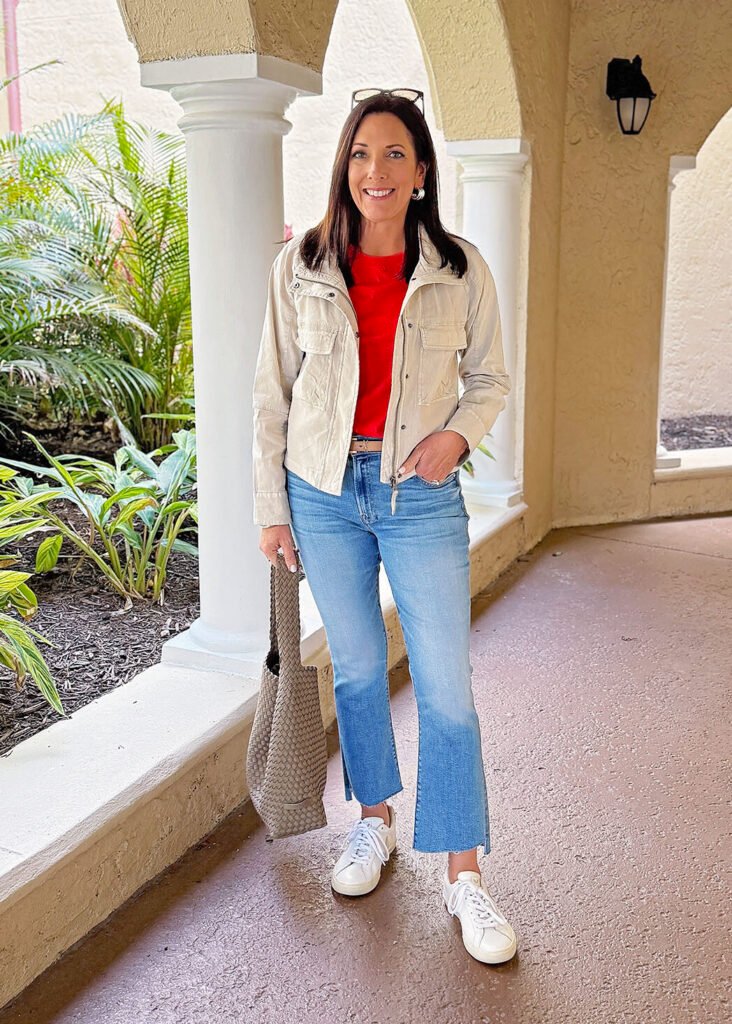
- Choose clothing that skims your shape without clinging too tightly, especially around the midsection.
- Silhouettes with gentle draping or defined waist details (like belts or seams) can create shape without constriction.
This approach keeps outfits comfortable and flattering without needing restrictive garments.
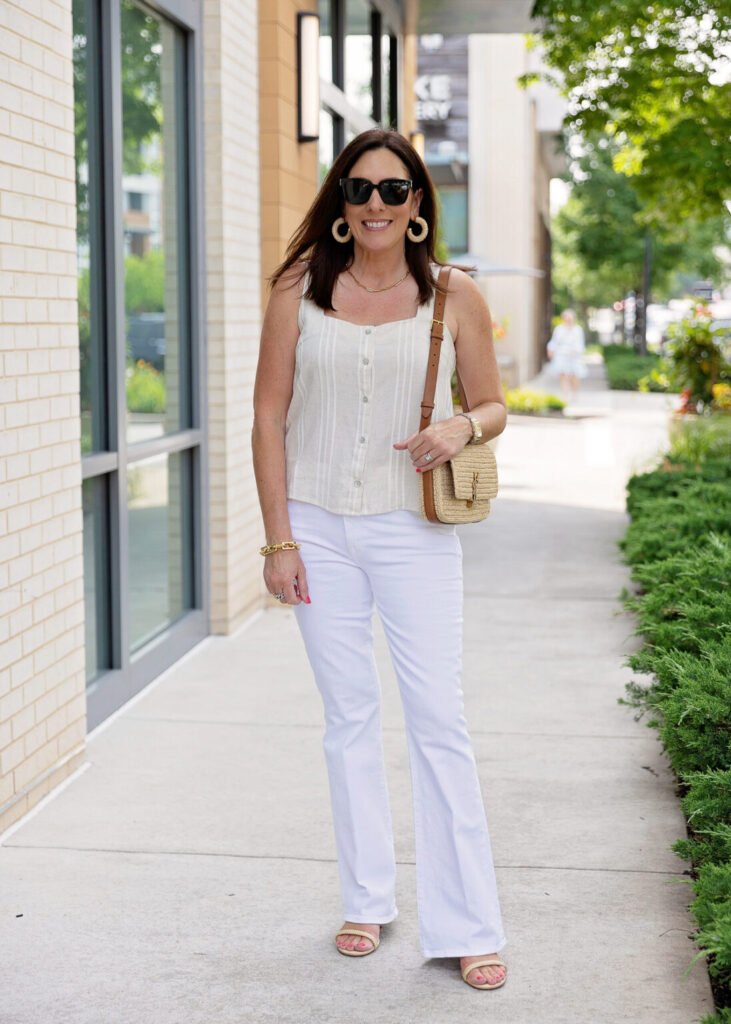
4. Elevate Everyday Basics
Menopause is a great time to reimagine wardrobe essentials — focusing on pieces that feel good and look intentional.
Consider classics such as:
- Soft, well‑made tees and tops in breathable fabrics
- Relaxed denim or tailored pants that fit comfortably
- Ponchos or open cardigans that add coverage without bulk
- Midi skirts or trousers with gentle stretch
Elevated basics help create a wardrobe that feels both timeless and practical.
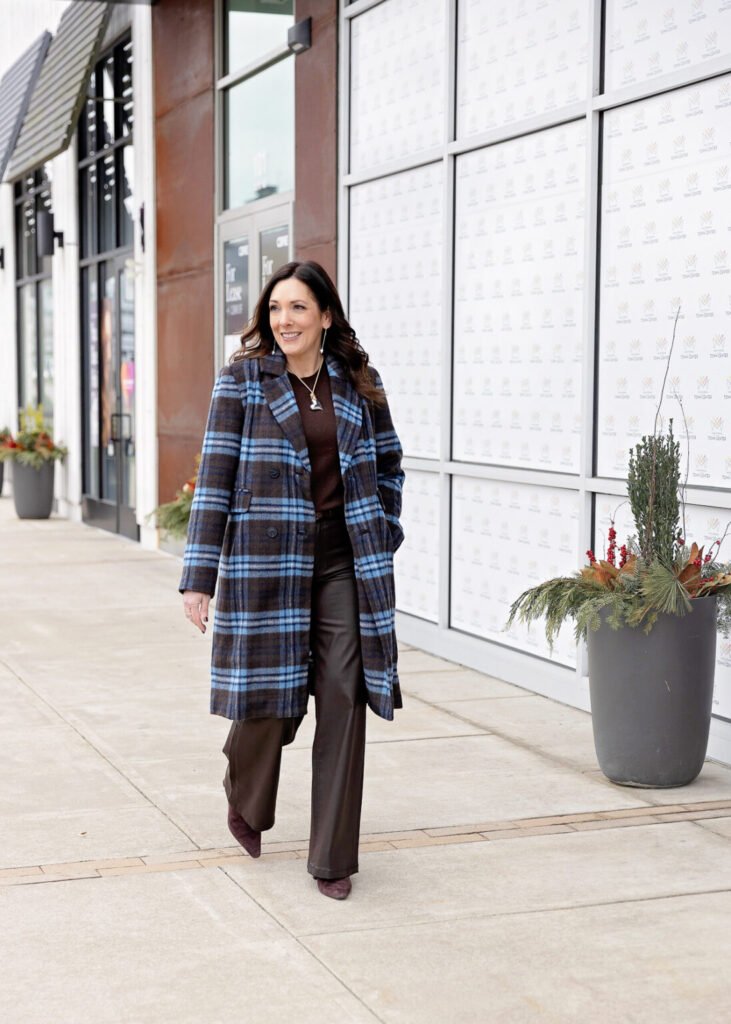
5. Choose Supportive, Comfortable Undergarments
Since body shape may shift, well‑fitting undergarments are crucial:
- A well‑fitted bra can transform how clothes sit and feel.
- Seamless underwear and supportive camisoles help minimize lines and feel smoother against the skin.
- Moisture‑wicking camisoles or tanks can add comfort during hot flashes.
Spending time on proper foundations makes a noticeable difference in how an outfit feels all day.
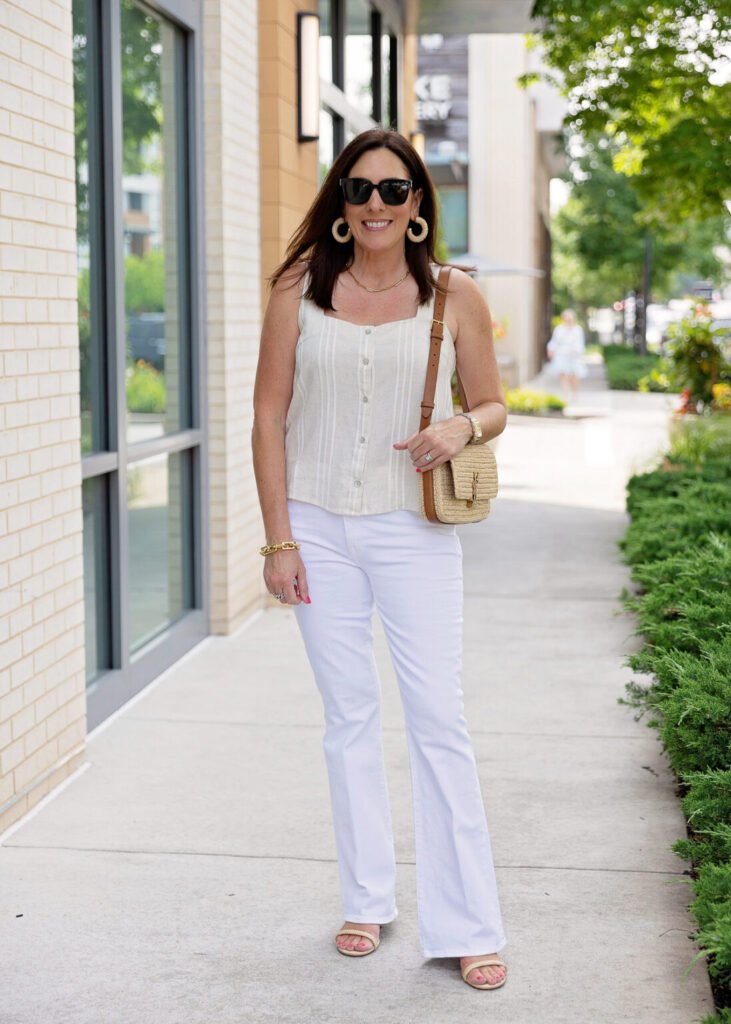
6. Shoes That Feel Good All Day
Comfortable, supportive footwear matters more when hot flashes, swelling, or foot sensitivity are concerns:
- Comfort‑oriented sneakers or loafers with good arch support
- Low‑heeled sandals with cushioned soles
- Flats with gentle structure rather than completely flat soles
Shoes that feel good allow you to move with confidence and ease.
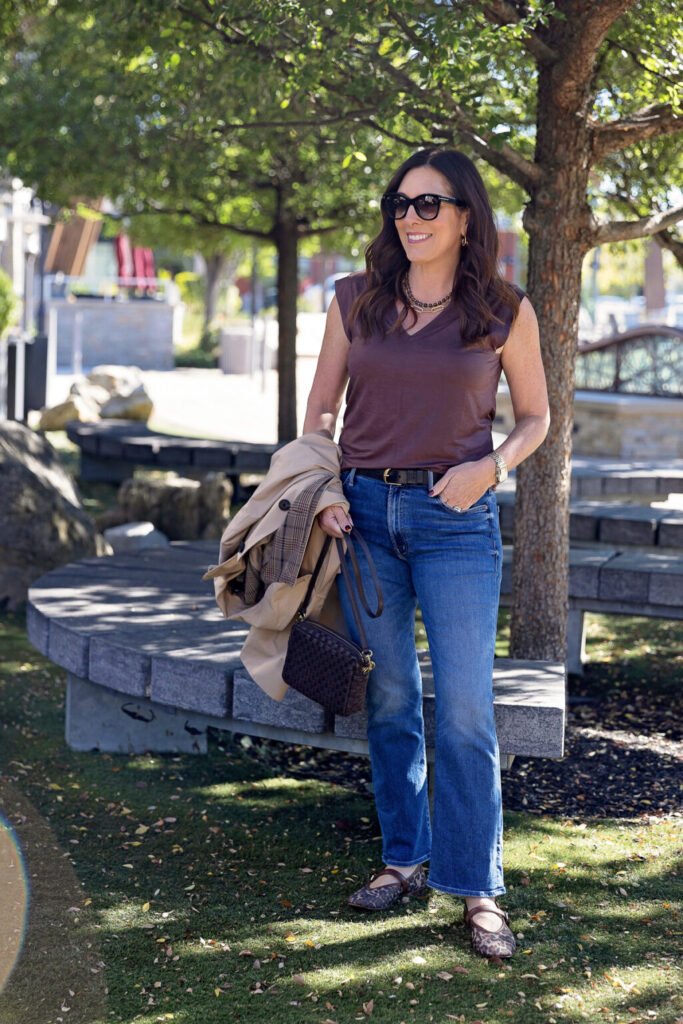
7. Fun, Personal Accessories
Accessories are an easy way to express your style while keeping outfits light and expressive:
- Lightweight scarves (great for layering without warmth overload)
- Statement earrings or necklaces to draw attention upward
- Structured bags that give outfits polish without fuss
Statement accessories help outfits feel intentional while keeping the focus on comfort.
8. Play With Silhouette, Not Restriction
Instead of tight or restrictive styles, consider silhouettes that flatter by allowing movement:
- Wrap dresses that define shape without clinging
- Palazzo pants or wide‑leg trousers for ease and flow
- Relaxed jumpsuits or midi dresses that feel put‑together with minimal effort
These silhouettes feel modern and keep you at ease throughout the day.
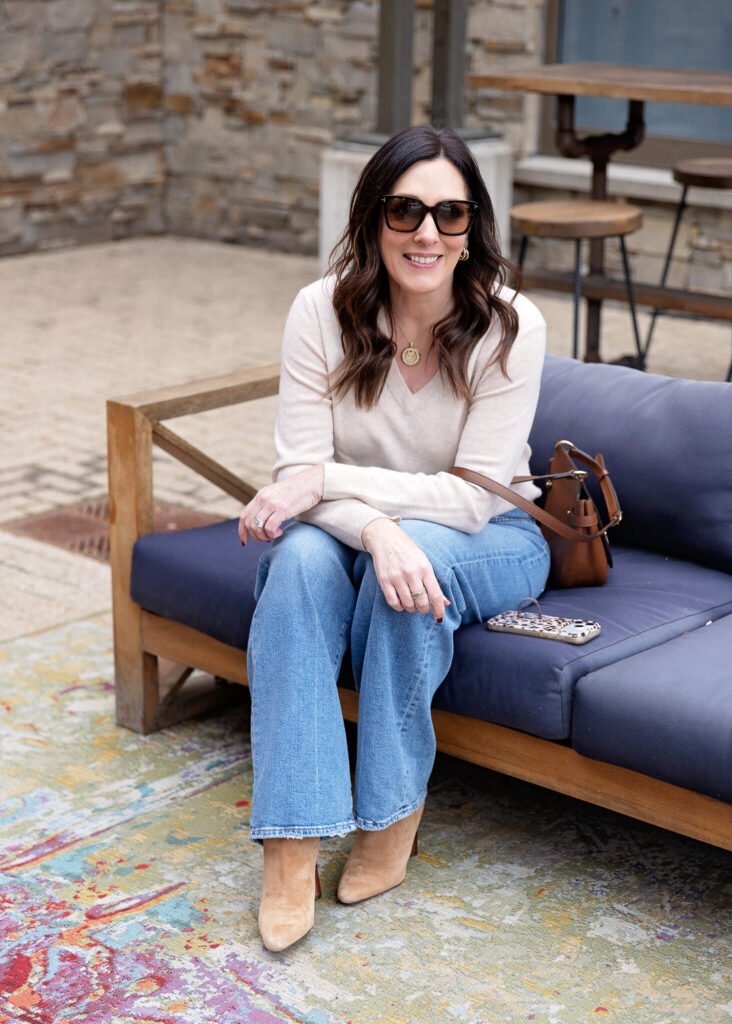
9. Build a Capsule Wardrobe for Everyday Ease
One of the biggest advantages of adapting your style during menopause is creating a capsule wardrobe — a set of coordinated pieces you can mix and match. This helps you:
- Get dressed more easily each morning
- Spend less time thinking about outfits
- Feel confident because everything works together
Focus on neutral colors and simple layering pieces that combine easily with favorites you already own.
10. Style Is Personal — Own What Works for You
Fashion during menopause isn’t about fitting a particular trend. It’s about feeling confident, comfortable, and authentic. As your body changes, let your wardrobe evolve with you — choosing pieces that support your lifestyle, reflect your personality, and make getting dressed feel effortless.
When clothing feels good on your body and for your life, fashion becomes a source of confidence rather than frustration.