

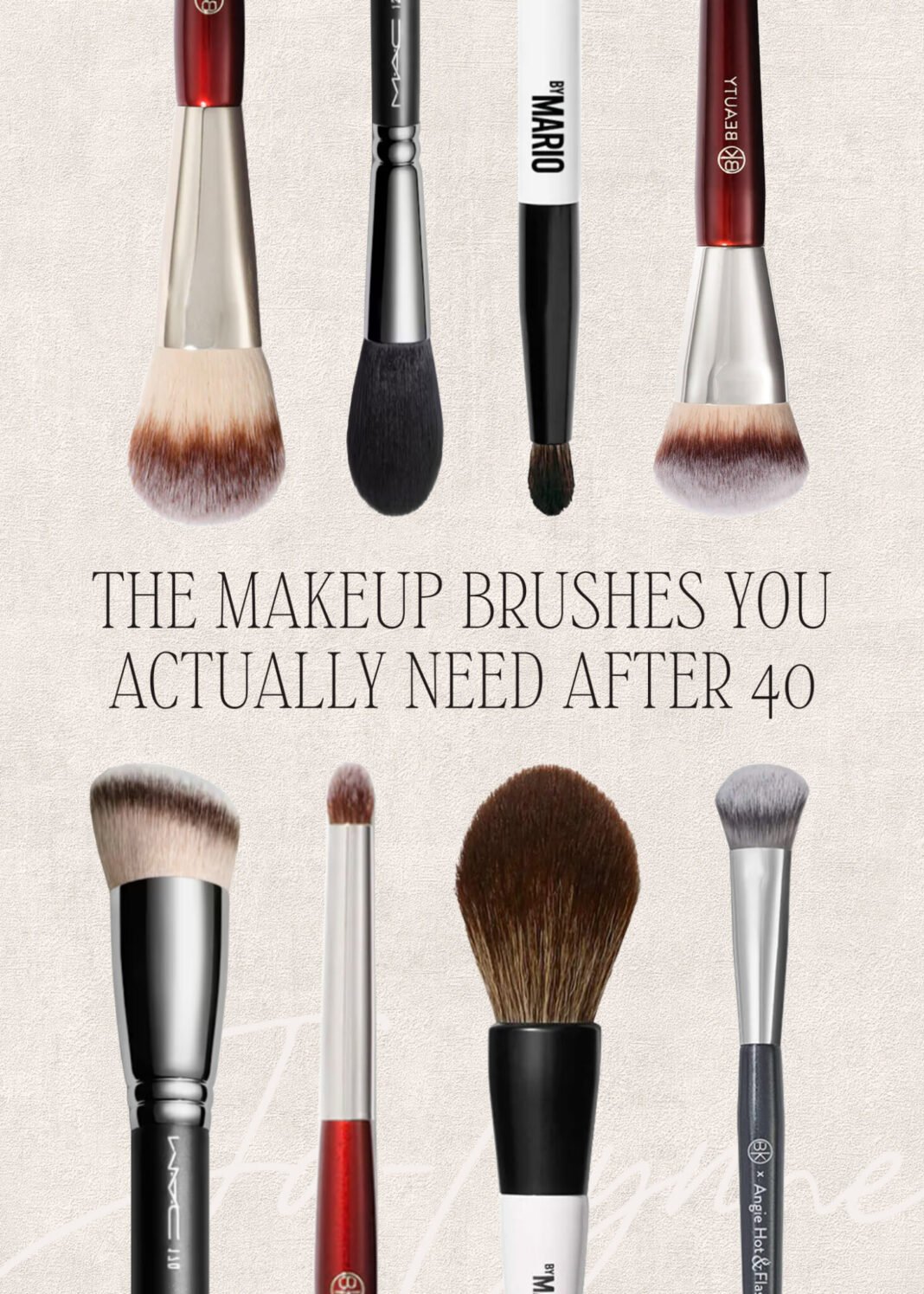
As makeup preferences shift with age, the tools you use can make as much difference as the products themselves. After 40, skin texture, foundation formulas, and desired finishes often change — and that’s where choosing the right makeup brushes can help you achieve smooth, natural, and flattering results with less effort. Rather than owning an overwhelming kit, a handful of quality brushes (and a couple of multi‑use tools) can cover most everyday makeup needs.
Here’s a breakdown of the brushes and tools that make the most impact on your routine after 40, why they matter, and how to use them.
Why Choosing the Right Brushes Matters After 40
As we age, makeup application can be influenced by changes in skin elasticity, fine lines, and texture. The right brushes allow for:
- Even foundation application without tugging or streaking
- Soft blending around the eyes and crease
- Lifted, natural contouring without harsh lines
- Controlled product distribution in delicate areas
Good tools help makeup sit on the skin rather than cling to lines or accentuate texture.
1. A Dense Foundation Brush
A dense, rounded foundation brush is one of the most essential tools. Its firm bristles help distribute product evenly and smoothly.
Why it’s helpful:
- Presses foundation or tinted moisturizer into the skin
- Reduces streaks compared to fingers or sponges
- Works well with liquid and cream foundations
How to use it:
Work in small sections, starting from the center of your face outward. Use short buffing motions to press the product into the skin for a seamless finish.
2. A Soft, Fluffy Powder Brush
A large, fluffy powder brush is perfect for setting makeup lightly without applying too much product.
Why it’s helpful:
- Distributes setting powder gently
- Prevents cakey buildup in lines or creases
- Ideal for a more natural finish
How to use it:
Dip into lightweight setting powder, then tap off excess before sweeping over the face. Focus on the T‑zone or areas that tend to get shiny.
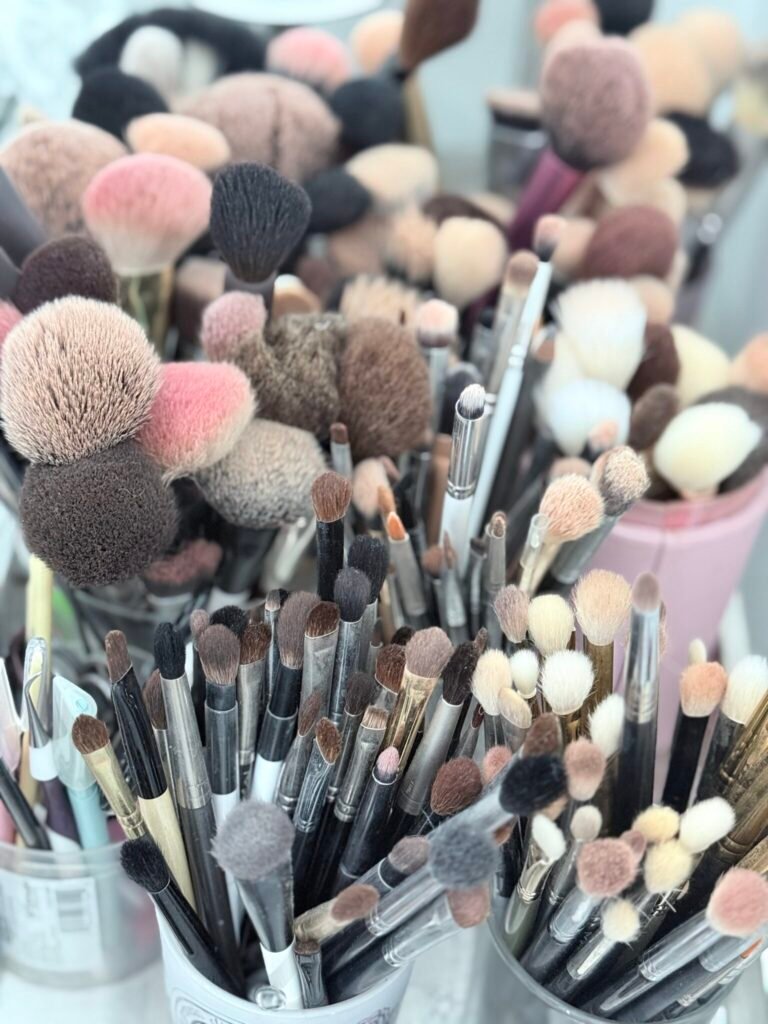
3. A Tapered Blush and Bronzer Brush
Blush and bronzer look more flattering when applied with brushes that have a tapered or slightly angled shape. These allow for controlled application and soft blending.
Why it’s helpful:
- Blends color into cheeks without harsh lines
- Works for both cream and powder formulas
- Helps sculpt without looking harsh
How to use it:
Apply bronzer in a light “3” shape along the forehead, cheeks, and jawline. Blend blush onto the apples of the cheeks and toward the temples.
4. A Fluffy Eyeshadow Blending Brush
A quality blending brush is one of the most useful eye tools, especially as crease definition becomes more important with age.
Why it’s helpful:
- Softens eyeshadow edges
- Prevents harsh lines
- Helps create dimension without excess product
How to use it:
Use this brush in small, circular motions in the crease area. Start with a light shade, build up slowly, and blend for a soft, diffused look.
5. A Small Precision Brush for Detail Work
A small, precise brush is ideal for applying shadow along the lash line or adding highlight to inner corners and brow bone.
Why it’s helpful:
- Places product exactly where you want it
- Ideal for dark or shimmering accents
- Great for lower lash line definition
How to use it:
Dip lightly and press shadow into the lash line or highlight zone. Avoid dragging the brush too hard on delicate skin.
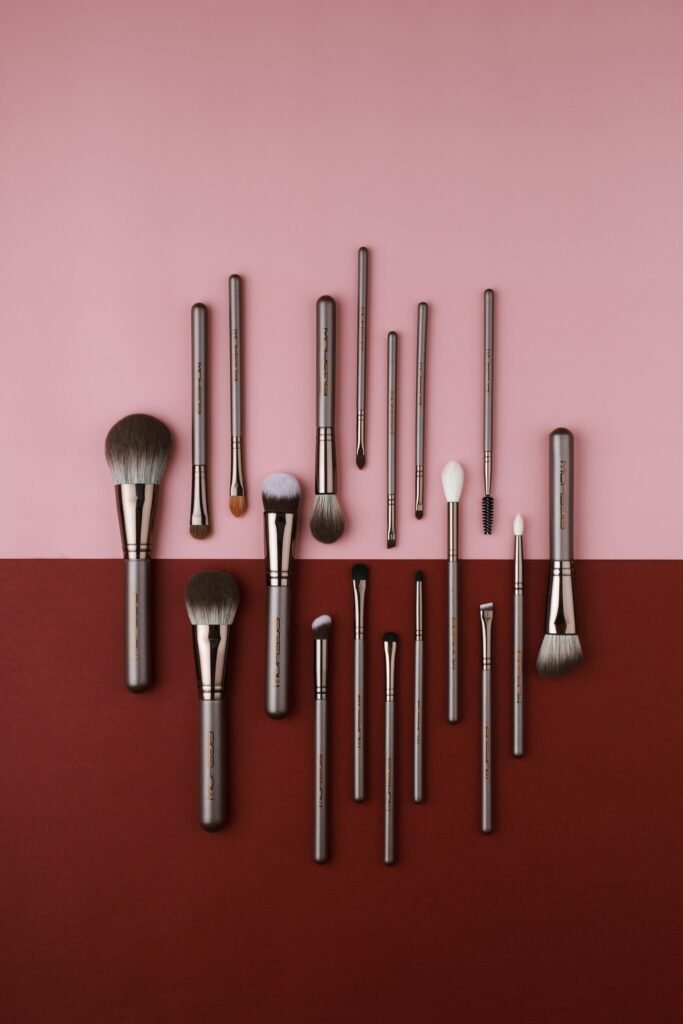
6. A Kabuki or Stippling Brush (Optional but Handy)
A kabuki or dense stippling brush is great for buffing cream products and achieving a smooth, airbrushed effect.
Why it’s helpful:
- Works well with cream blush or bronzer
- Blends foundation seamlessly
- Helps sheer out products for a natural finish
How to use it:
Apply product to the brush tip, then gently buff into the skin using light circular motions.
Brush Care Tips
Clean brushes regularly to maintain performance and keep skin clear:
- Wash brushes every 1–2 weeks if you use foundation or cream products frequently
- Use a mild brush cleanser or gentle shampoo
- Let brushes dry bristle‑side down to avoid moisture getting into the handle
Clean brushes help makeup apply more easily and reduce buildup that can affect both performance and complexion.
The Takeaway
After 40, makeup tools matter just as much as makeup formulas. Investing in quality brushes that are comfortable to hold, soft on the skin, and effective at blending can make your routine easier and more flattering. Focus on:
- Foundation brushes that smooth and press product in
- Soft powder and contour brushes for even application
- Eye brushes that allow detailed blending and dimension
With just a handful of well‑chosen tools, you can create polished, natural makeup looks that feel effortless and comfortable on the skin.